

The purpose of this unit is to assist learners to gain a better
understanding of the importance of risk management in business
organizations, as well as to design an effective risk management
strategy and evaluate risk financing choices.
- Faculty: Pristine School of Management

 The critical assessment of strategy concerning the formation and
continual improvement of performance standards; the establishment and
maintenance of an effective risk management system; all areas of risk
management, including but not limited to health and safety,
environmental, and security; and the planning and alignment of risk
objectives with other corporate strategies.
The critical assessment of strategy concerning the formation and
continual improvement of performance standards; the establishment and
maintenance of an effective risk management system; all areas of risk
management, including but not limited to health and safety,
environmental, and security; and the planning and alignment of risk
objectives with other corporate strategies.
- Faculty: Pristine School of Management
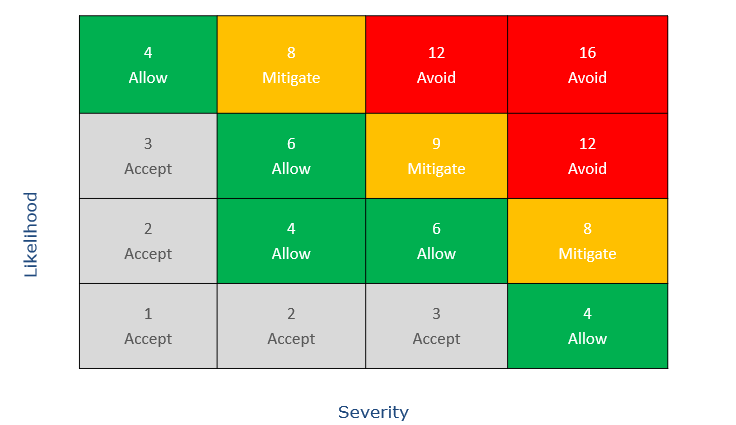
The goal of this module is for learners to gain a better understanding
of the legislative frameworks that influenced the development of risk
assessment strategies in organizations, as well as to master the
fundamentals of ISO standards. ISO is a globally recognized
international standard that establishes risk management principles and
procedures. These standards give risk management principles, a
framework, and a procedure that any organization can utilize. The
principles of ISO standards will be taught to the students.
- Faculty: Pristine School of Management

The goal of this module is to provide students with a basic grasp of the
main ideas and techniques that are used to create current risk analysis
models. It teaches students the fundamentals of risk analysis. These
fundamental ideas are then applied to a variety of current risk analysis
modeling tools. This class will equip students with the knowledge and
abilities necessary to implement these strategies in real-world
settings.
- Faculty: Pristine School of Management

Learners will examine the current organizational need for governance,
which will lead to the appraisal of excellent practice in corporate
affairs, in this unit. This module gives the student a knowledge of the
impact of law and global integration on organizational choices,
policies, procedures, and activities.
- Faculty: Pristine School of Management